
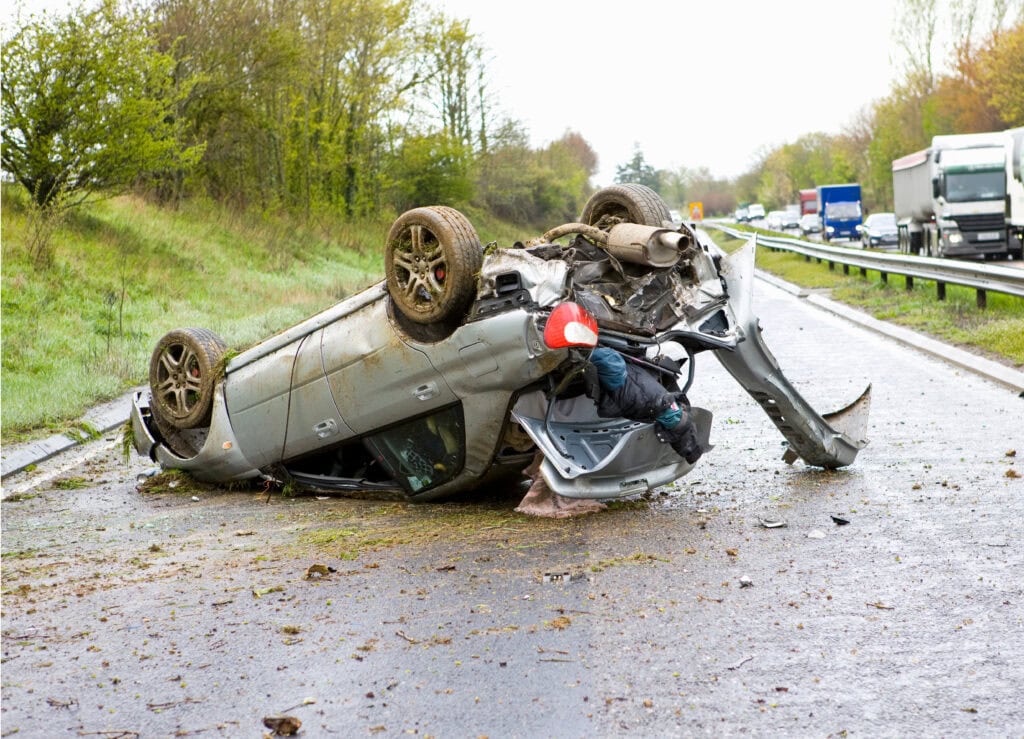
A total loss is one of the most stressful insurance situations a policyholder can face. Whether it involves a vehicle that has been severely damaged or a home that cannot be repaired, the financial and emotional impact can be overwhelming. Many people assume a total loss means insurance will simply replace what was lost, but coverage works differently depending on the type of policy and the circumstances.
Insurance coverage during a total loss depends on the type of policy involved. Auto insurance typically pays the vehicle’s actual cash value at the time of the loss, while homeowner insurance focuses on rebuilding the home based on policy limits and coverage type. Understanding these differences helps set realistic expectations and avoid costly surprises.
Understanding what insurance covers during a total loss helps set realistic expectations and prevents costly surprises. While auto and homeowners insurance both provide protection, the way claims are handled and paid out varies significantly.
What Does Total Loss Mean in Insurance?
A total loss occurs when the cost to repair damaged property equals or exceeds its value, or when the property is deemed unsafe or uninhabitable. In auto insurance, a vehicle is often declared a total loss when repair costs approach a percentage of the car’s actual cash value. For homes, a total loss typically means the structure is destroyed or damaged beyond repair due to events like fire, severe storms, or other covered disasters.
The key difference is that vehicles and homes are valued and insured differently, which affects how claims are settled.
What Auto Insurance Covers in a Total Loss
When a car is declared a total loss, the payout is usually based on the vehicle’s actual cash value at the time of the loss. Actual cash value reflects depreciation, accounting for age, mileage, condition, and market value rather than the original purchase price. As explained by the Insurance Information Institute, insurance settlements are generally calculated using actual cash value unless a replacement cost endorsement applies.
If you carry collision or comprehensive coverage, your insurer will typically pay the actual cash value of the vehicle, minus your deductible. Comprehensive coverage covers losses from events such as theft, fire, hail, or falling objects, while collision coverage covers losses from accidents involving another vehicle or object.
It is important to note that auto insurance generally does not cover the cost of replacing a vehicle with a brand-new one unless you have a specific endorsement, such as new-car replacement coverage. Without that endorsement, policyholders may receive less than expected, especially if the vehicle has depreciated quickly.
If you owe more on your loan than the car’s value, gap insurance may help cover the difference. Without gap coverage, you may still be responsible for the remaining loan balance after the insurance payout.
What Home Insurance Covers in a Total Loss
Homeowners insurance handles total losses differently. Coverage is generally based on the dwelling limit listed in the policy, not the home’s market value. The dwelling limit is intended to reflect the cost to rebuild the home using similar materials and construction methods. According to guidance from the National Association of Insurance Commissioners, homeowners’ insurance is designed to cover rebuilding costs up to policy limits, not the property’s resale value.
If your policy includes replacement cost coverage, the insurer typically pays to rebuild the home up to the policy limit, even if construction costs exceed expectations. If the policy is based on actual cash value, depreciation is applied, which can significantly reduce the payout.
In addition to covering the structure, homeowners’ insurance may also cover personal belongings, detached structures like garages, and additional living expenses. Additional living expenses coverage can help pay for temporary housing, meals, and other necessary costs while the home is being rebuilt.
However, coverage depends on the cause of the loss. Events like fire, wind, or certain storms are commonly covered, while floods and earthquakes usually require separate policies. If the cause of the total loss is excluded, insurance may not pay at all.
Key Differences Between Auto and Home Total Loss Coverage
One major difference between car and home insurance is how value is determined. Auto insurance focuses on market value and depreciation, while homeowners’ insurance focuses on rebuilding costs and policy limits.
Another difference is flexibility. Auto insurance settlements are usually paid as a lump sum, and the policyholder decides how to replace the vehicle. Home insurance claims often involve multiple payments over time as rebuilding progresses, following the insurance claims payment process outlined by insurers.
Homes also have more coverage layers, including dwelling coverage, personal property, and loss of use. Vehicles typically rely on fewer coverages, which can limit payout options.
What Insurance Does Not Cover in a Total Loss
Even during a total loss, insurance does not cover everything. For vehicles, insurance usually does not cover unpaid loan balances without gap insurance, custom upgrades without endorsements, or maintenance-related issues.
For homes, insurance may not cover land value, code upgrades beyond policy limits, or losses caused by excluded perils. Personal belongings may also be subject to coverage limits, especially for high-value items like jewelry or collectibles, unless they are specifically scheduled.
Understanding exclusions and limits before a loss occurs is critical. Many policyholders only learn about gaps after a claim is denied or underpaid.
Why Policy Limits Matter More Than You Think
A total loss claim often reveals whether policy limits were set correctly. If auto coverage limits are too low or endorsements are missing, replacing a vehicle can become financially difficult. For homeowners, insufficient dwelling limits can leave families unable to fully rebuild.
Rising construction costs and vehicle prices make regular policy reviews essential. What was adequate coverage a few years ago may no longer be enough today.
Preparing for a Total Loss Before It Happens
The best time to understand total loss coverage is before you ever need it. Reviewing policy details, limits, deductibles, and optional endorsements can help ensure your coverage reflects current values and risks.
Working with a knowledgeable insurance professional allows you to ask questions, compare coverage options, and avoid assumptions that can lead to disappointment later. Insurance should provide clarity and confidence, especially in worst-case scenarios.
Understanding Total Loss Coverage Brings Peace of Mind
A total loss can feel overwhelming, whether it involves your car or your home. Knowing what insurance covers, how claims are calculated, and where gaps may exist helps you prepare financially and emotionally.
Auto and homeowners insurance are designed to protect you, but only if coverage aligns with reality. Taking the time to understand your policy today can make all the difference when the unexpected happens.
Insure with Masters!
At Masters Insurance, we help policyholders understand how their coverage works before a loss occurs. Our team provides clear explanations and personalized guidance so you can feel confident that your insurance will respond when it matters most. Contact us today to review your coverage and protect what matters most.