
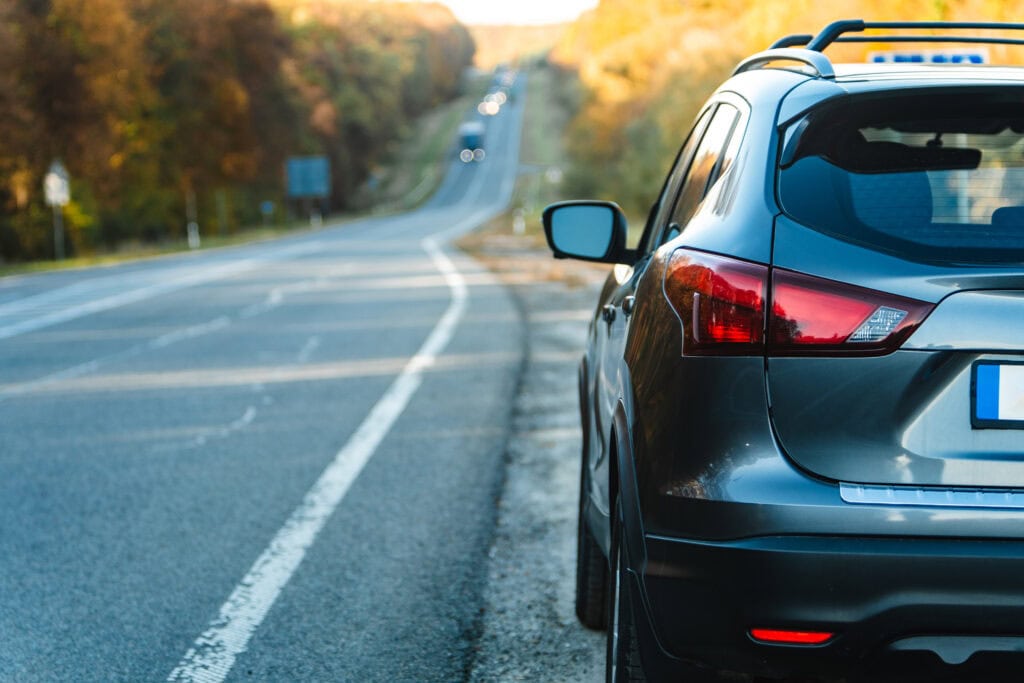
Lending your car to a friend or family member may seem simple, but many drivers wonder what happens if there is an accident. Does insurance cover someone else driving your car? Does their insurance step in? Who is financially responsible?
When you lend your car to someone, your auto insurance is usually the primary coverage if they cause an accident. Insurance typically follows the vehicle, not the driver, meaning your liability coverage pays first. The borrower’s insurance may provide secondary coverage if damages exceed your policy limits.
Understanding how insurance works when you lend your car is important because you are not just lending your vehicle. You are also extending your insurance coverage and potential liability.
Does Car Insurance Follow the Car or the Driver?
In most cases, auto insurance follows the vehicle. If someone else is driving your car with your permission and causes an accident, your insurance policy typically responds first.
Auto insurance policies are structured around the insured vehicle and defined drivers, as outlined by the Indiana Department of Insurance.
If the driver had your permission, your liability coverage may pay for:
- Damage to another vehicle
- Medical expenses for injured parties
- Legal costs if a lawsuit is filed
If you carry collision coverage, it may also pay for damage to your own vehicle, minus your deductible. Because insurance follows the car in most situations, you could be financially responsible even if you were not driving at the time.
What Is Permissive Use?
Permissive use means you gave someone permission to drive your vehicle. Most standard auto policies extend coverage when someone else is driving your car occasionally with your consent.
However, coverage may not apply in certain situations, including:
- A household member who is not listed on your policy
- A driver specifically excluded from coverage
- Commercial, delivery, or rideshare use without proper endorsements
Each insurance company defines permissive use slightly differently. Consumer guidance from the National Association of Insurance Commissioners explains how auto policies define drivers, coverage limits, and exclusions.
Reviewing your policy terms is critical before assuming coverage applies when someone else is driving your car.
What Happens If the Borrower Has Their Own Insurance?
If the person driving your car has their own auto insurance policy, their coverage usually acts as secondary insurance.
In many situations:
- Your insurance pays first up to your policy limits
- The borrower’s insurance may help cover damages that exceed your limits
For example, if your liability limit is $100,000 and total damages reach $150,000, your policy would pay up to its limit. The borrower’s policy may cover the remaining amount, depending on their coverage.
Even when someone else is driving your car and has their own insurance, you remain financially tied to the claim as the vehicle owner.
What If the Damages Exceed Both Policies?
If damages exceed both your policy limits and the borrower’s limits, you could face personal liability. Because you own the vehicle, you may be named in a lawsuit.
Medical costs and legal judgments can exceed standard auto limits quickly. This is one reason many drivers choose higher liability limits or umbrella insurance coverage.
When you lend your car, your exposure does not disappear simply because someone else is behind the wheel.
What If the Borrower Is Uninsured?
If the person driving your car does not have their own insurance, your policy still typically acts as primary coverage if you gave permission.
Without secondary insurance to step in, any damages that exceed your limits could become your responsibility. This makes your liability limits especially important when deciding whether to let someone else drive your car.
What If the Car Was Used Without Permission?
If someone takes your vehicle without permission and causes an accident, the situation changes. Unauthorized use is not the same as permissive use.
If the vehicle was stolen, comprehensive coverage may apply to damage to your car. Liability coverage may depend on state laws and the specific circumstances.
Promptly reporting unauthorized use is critical to preserving your coverage rights.
What About Drivers Who Live in Your Household?
Insurance companies generally require all licensed drivers in your household to be listed on your policy. If someone who lives with you regularly drives your vehicle but is not disclosed, your insurer may deny a claim.
Failing to list household drivers can create serious coverage gaps. If a licensed driver in your home has access to your vehicle, your insurer should be informed.
Lending Your Car Means Lending Your Insurance
If you are wondering whether insurance covers someone else driving your car, the answer in most cases is yes, but your policy usually pays first. Auto insurance generally follows the vehicle, which means your coverage is directly involved when you lend your car.
Before handing over your keys, review your liability limits and make sure your coverage reflects today’s repair and medical costs. Understanding how insurance works when you lend your car can help you avoid unexpected financial consequences.
Insure with Masters!
At Masters Insurance, we help drivers understand how their coverage works in real-life situations. Our team provides personalized guidance so you can protect your vehicle, your finances, and your peace of mind. Contact us today to review your policy and make sure your coverage fits your needs.