
If you’ve ever shopped for auto insurance, you’ve probably seen comprehensive and collision coverage listed together. Because they’re often purchased together, it’s easy to assume they cover the same things. In reality, they protect against different types of damage. Understanding the difference between comprehensive and collision coverage can help you decide which makes sense for your vehicle, budget, and financial situation.
What’s the Difference Between Comprehensive and Collision Coverage?
The easiest way to understand comprehensive vs. collision coverage is to think about how the damage happened. Comprehensive coverage helps pay for damage caused by events other than a collision. Collision coverage helps pay for damage when your vehicle collides with another vehicle or object. Neither type of coverage pays for routine maintenance, mechanical breakdowns, or normal wear and tear.
What Does Comprehensive Insurance Cover?
Comprehensive insurance helps protect your vehicle from many unexpected events beyond your control. These are often situations in which your vehicle is damaged even though no other vehicle was involved. Depending on your policy, comprehensive coverage may help pay for damage caused by events like theft, fire, storms, falling tree branches, hail, and animal collisions.
For many Indiana drivers, comprehensive coverage can be especially valuable because of seasonal weather and wildlife. Strong storms, hail, flooding, windblown debris, and fallen tree limbs can all damage parked vehicles. Deer are also common throughout Indiana, and collisions with wildlife can result in expensive repairs. While no one expects these events to happen, comprehensive coverage can help reduce the financial impact when they do.
What Does Collision Insurance Cover?
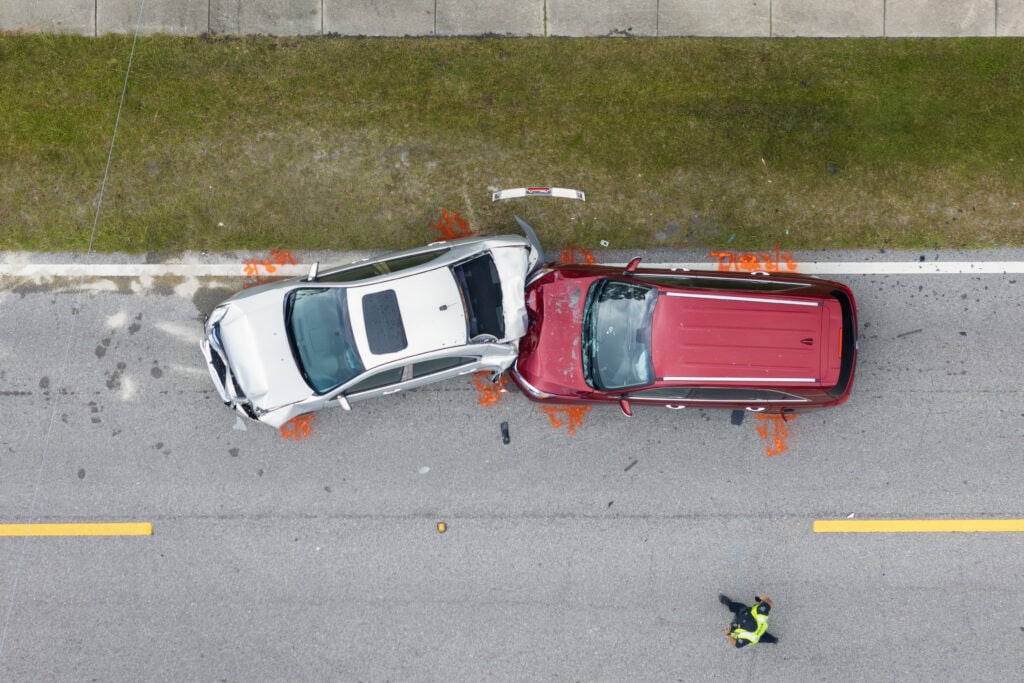
Collision car insurance helps pay to repair or replace your vehicle after it hits another vehicle or object, or after a single-vehicle accident such as a rollover. It may apply if you hit another car, strike a guardrail, hit a fence, damage your vehicle in a pothole, or crash into a building. In many cases, collision coverage can pay for covered damage to your vehicle even when you caused the accident, subject to your deductible and policy terms. If another driver was responsible, your insurer may seek reimbursement from that driver’s insurance company.
How Do Deductibles Work?
Comprehensive and collision coverage each have their own deductible. A deductible is the amount you agree to pay out of pocket before your insurance coverage begins paying for a covered claim. For example, if your collision deductible is $500 and your vehicle has $4,000 in covered damage, the insurer would generally pay $3,500 toward the covered repairs.
The same concept applies to comprehensive claims. If a hailstorm damages your vehicle and your comprehensive deductible is $500, you’ll typically pay the deductible while your insurer covers the remaining eligible repair costs.
Choosing a deductible often comes down to balancing monthly premiums with potential out-of-pocket expenses. Higher deductibles generally result in lower insurance premiums, while lower deductibles usually mean higher premiums. When selecting a deductible, consider what you could comfortably afford if you needed to file a claim tomorrow.
When Are Comprehensive and Collision Coverage Required?
One of the most common misconceptions is that comprehensive and collision coverage are required by law. In Indiana, drivers are not required to carry comprehensive and collision coverage. State law requires drivers to carry liability insurance, but comprehensive and collision coverage are optional from a legal standpoint.
However, if you finance or lease your vehicle, your lender or leasing company will often require both comprehensive and collision coverage until the loan is paid off or the lease ends. This helps protect the lender’s financial interest in the vehicle. Once you own your vehicle outright, the decision becomes yours.
Do You Need Both Comprehensive and Collision Coverage?
There is no one-size-fits-all answer. The right choice depends on your vehicle’s value, your financial situation, and how much risk you’re comfortable assuming.
You Probably Need Both If…
Keeping both comprehensive and collision coverage often makes sense if:
- Your vehicle is relatively new.
- You’re still making loan payments.
- You lease your vehicle.
- Your vehicle would be expensive to repair or replace.
- Paying for a replacement vehicle out of pocket would create financial hardship.
For many newer vehicles, carrying both coverages provides valuable financial protection.
You May Be Able to Drop One or Both If…
Some drivers choose to remove comprehensive or collision coverage when:
- Their vehicle has a relatively low market value.
- The loan has been paid off.
- They have enough savings to replace the vehicle if necessary.
- The cost of the coverage no longer makes financial sense compared to the vehicle’s value.
For example, if your vehicle is worth only a few thousand dollars, paying premiums for comprehensive and collision coverage year after year may not provide the same value it once did. Some owners of older vehicles choose to drop collision coverage while keeping comprehensive coverage, especially when protection against theft, hail, falling objects, or animal strikes still feels worthwhile.
Before making changes, it’s worth comparing the annual premium, deductible, and current value of your vehicle. An insurance professional can help you determine whether continuing the coverage still makes sense.
Understanding the difference between comprehensive and collision coverage can make choosing auto insurance much easier. Reviewing your policy every few years, especially after paying off your vehicle or purchasing a new one, is a smart way to ensure you’re carrying coverage that fits both your vehicle and your financial goals.
Insure with Masters!
At Masters Insurance, we’re committed to helping you understand your coverage options and choose protection that fits your needs, your vehicle, and your budget. If you’re looking for auto coverage, our team can help you compare options and make informed decisions with confidence. Contact us today to learn more or request a personalized auto insurance quote.